


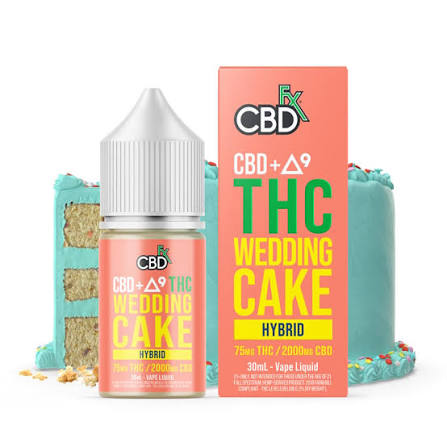
THC Vape Juice: What It Is, What’s Legal, and How to Buy Safely
Search for THC vape juice and you’ll find a confusing mix of products, bold claims, and a legal picture that changes from state to state. “THC in vape juice” isn’t one single thing — it spans hemp-derived options like delta-8 THC vape juice, non-intoxicating CBD vape juice with no THC, and state-licensed cannabis products that are regulated entirely separately. Add the flood of people asking how to make THC vape juice at home, and it’s a category badly in need of a straight, honest explanation. This guide gives you one: what THC vape juice is, the different types, why making your own is a bad idea, why lab testing is non-negotiable, the legal realities, and how to buy responsibly where it’s legal.
We’ll be clear throughout: intoxicating products are for adults 21 and over only, nothing here is medical or legal advice, and you must verify what’s legal in your own location. At Pomona Smoke N Vape we carry hemp-derived products for adult customers where legal, and the staff can explain what’s on the shelf.
What is THC vape juice?
“THC vape juice,” “THC juice for vape,” or simply vape juice with THC generally refers to a liquid containing THC that’s designed to be vaporized in a compatible device. It’s worth understanding right away that this is a different thing from ordinary nicotine e-liquid (covered in our vape juice guide), and that the term covers several distinct categories with very different legal statuses and contents:
- Hemp-derived THC products — like delta-8 THC vape juice and cartridges, which exist in a complicated federal-and-state legal gray area.
- State-licensed cannabis products — THC vape products sold through licensed dispensaries in states with legal cannabis, regulated under those state programs.
- CBD vape juice (no THC) — non-intoxicating hemp products that contain little or no THC, a different category entirely.
These are not interchangeable, and which one a product is determines whether it’s intoxicating, where it’s legal, and how it’s regulated. Lumping them together is exactly how people get confused — so the rest of this guide takes them one at a time.
THC in vape juice: intoxicating vs. non-intoxicating
The single most important distinction is whether a product is intoxicating. THC — whether delta-9, delta-8, or related forms — is psychoactive and produces a “high.” Products with meaningful THC are intoxicating adult products, with all the responsibilities that implies: don’t drive after using them, they can cause a failed drug test, and they must be kept away from children and pets. Our delta-8 and THC products guide covers the intoxicating hemp side in depth.
CBD, by contrast, is non-intoxicating — it doesn’t produce a high. That’s why CBD vape juice with no THC (or only trace THC) is a different category, sold as a wellness product rather than an intoxicant. If you’re specifically looking for the vaping experience without the high, CBD vape juice is what you want, and our CBD and hemp guide covers it. Knowing which side of this line you’re on is the first thing to get straight before you shop.
Delta-8 THC vape juice
Delta-8 THC vape juice is one of the most-searched versions of this product, and it deserves specific attention. Delta-8 is a cannabinoid, usually derived or converted from hemp-derived CBD, and it is intoxicating — often described as somewhat milder than the delta-9 THC in traditional cannabis, but “milder” is not “mild,” and effects vary by person and product. It rose to popularity largely because of the legal gray area around hemp-derived cannabinoids created by the 2018 Farm Bill.
The crucial points about delta-8 vape juice are the same two that govern every product in this category: its legality depends entirely on where you are and changes frequently, and it must be third-party lab tested because these cannabinoids are typically produced through chemical conversion. A delta-8 product without an accessible Certificate of Analysis is one to avoid entirely. Our full delta-8 guide goes deep on this, and everything it says applies to delta-8 in vape-juice or cartridge form.
CBD vape juice with no THC
For people searching CBD vape juice no THC, this is the non-intoxicating option. CBD vape juice is formulated for vaping and contains CBD with the THC removed or reduced to non-detectable levels — typically a broad-spectrum or isolate formulation (our CBD guide explains those terms). It won’t get you high, which is the whole point for people who want to avoid THC, whether for personal preference or because they’re subject to drug testing.
A couple of honest caveats apply even here. First, “no THC” products should still be verified with a lab report, because the only way to confirm a product truly has no detectable THC is a Certificate of Analysis — don’t take the label’s word alone, especially if drug testing matters to you, since no product can be absolutely guaranteed against a test. Second, these are still inhaled products, age-restricted like other vapor products, and not a medicine — we make no health claims. For a non-intoxicating vaping option, though, CBD vape juice with no THC is the category to look at, and a reputable shop stocks tested, clearly labeled versions.
“How to make THC vape juice” — why you shouldn’t
This is one of the most common searches in this space, so let’s address it directly and honestly: making your own THC vape juice at home is a genuinely bad idea, and this guide won’t provide instructions for it — not to be unhelpful, but because it’s unsafe and often unlawful, and steering you toward a safer path is the actually useful answer.
Here’s why DIY is the wrong move:
- Safety. Homemade vape liquids have repeatedly been linked to serious harm. The use of improper cutting agents and additives in unregulated, homemade, and black-market vape products has been associated with severe lung injury. You cannot verify purity, potency, or safety in a home kitchen, and getting it wrong can be dangerous to inhale.
- Potency is a guess. Without lab equipment, you have no reliable way to know how strong a homemade product is, which makes it easy to end up with something far more potent — and more impairing — than intended.
- Contaminants. Home processes can leave behind solvents, contaminants, or uneven mixtures that a proper manufacturer tests for and removes.
- Legality. Depending on where you are and what’s involved, producing these products at home can carry legal risk on top of the safety risk.
The responsible alternative is simple: if you’re in a place where these products are legal and you’re a qualifying adult, buy a lab-tested, properly manufactured product from a licensed or reputable source rather than making your own. A manufacturer with a real Certificate of Analysis has verified the contents, screened for contaminants, and controlled the potency — none of which you can do at home. The small cost of a tested product is nothing against the safety risk of a homemade one. That’s the honest answer to “how to make THC vape juice”: don’t — buy tested instead.
Why lab testing is non-negotiable
Whatever type of THC or CBD vape product you’re considering, third-party lab testing is the single most important safety factor, and it’s worth understanding why. Many hemp-derived cannabinoids are produced through chemical conversion, so the purity of the final product depends heavily on the process. A reputable manufacturer verifies the result through an independent lab and provides a Certificate of Analysis (COA), usually accessible via a QR code on the packaging or the brand’s website.
A proper COA confirms the cannabinoid content (so you know what and how much you’re getting), verifies the product’s composition, and screens for contaminants and residual solvents from manufacturing. A product without an accessible, legitimate lab report is one to walk away from — with an inhaled product made through chemical processes, you have no way to know what you’re actually putting into your lungs without it. This is exactly what’s missing from homemade and black-market products, and it’s precisely why they’ve been linked to harm. Insist on the COA, every time, for any THC or CBD vape product.
The legal picture: check before anything else
The legality of THC vape juice is complicated, varies enormously by state and even locality, and changes frequently — so this is the one area where you absolutely cannot assume. At a high level, the 2018 Farm Bill federally legalized hemp and its derivatives within a 0.3% delta-9 THC limit, which opened the door to hemp-derived cannabinoids like delta-8. But many states have since restricted, regulated, or banned these products, while state-licensed cannabis (delta-9 THC) operates under an entirely separate framework available only where cannabis is legal. The result is a true patchwork.
Before buying or possessing any THC vape product, verify its current legal status in your specific location. A responsible retailer sells these only where it’s legal to do so and won’t ship them into areas that prohibit them. If you’re unsure, check your state and local regulations directly — they are the authority and they change. Our guide to product laws and the 21+ rule covers how fast this regulation moves. Treat anyone who waves away the legal question as a reason to shop more carefully, not less.
THC vape juice near me vs. online
For people searching THC vape juice near me or THC vape juice online, there are real differences between the two, and for this category the where-you-buy question matters more than almost any other.
Buying locally from a reputable shop lets you see the product and packaging, ask about testing and get the COA on the spot, and avoid any shipping-into-a-restricted-area problem, because a responsible local shop sells only what’s legal where it is. You’re also buying from someone accountable, standing in front of you.
Buying online offers convenience and selection, but it puts the burden on you: you’re trusting the listing, you can’t inspect anything before it arrives, age verification and lawful-shipping rules fall on both parties to get right, and the counterfeit and quality risks are harder to judge from a photo. If you do buy online, stick to established, reputable sellers with accessible lab reports, clear policies, and proper age verification — and understand your own state’s rules on what can lawfully be shipped to you.
Given how location-dependent the legality is and how much lab testing matters, a reputable local shop that stocks only tested, lawful product has a real edge for this category. You can see what we carry on our shop page, and our guide to buying vapes online covers the online side safely.
The THC vape juice bottle and cartridge: what to look for
Whether it’s a THC vape juice bottle, a cartridge, or a disposable, the packaging and labeling tell you a lot about whether a product is legitimate. Look for:
- An accessible COA — a QR code or clear reference to third-party lab results. This is the top priority.
- Clear cannabinoid labeling — what’s in it and how much, stated plainly.
- Child-resistant, secure packaging — essential for any intoxicating product.
- A reputable brand with a presence and a reputation to protect.
- Proper warnings and manufacturer information.
Vague labeling, no lab report, no cannabinoid amounts, or flimsy no-name packaging are all reasons to put a product down. A legitimate THC vape product is specific and transparent; a sketchy one is vague. And a price far below everyone else is a classic warning sign of a counterfeit or an untested product, not a bargain — with something you inhale, that’s a risk not worth taking.
Responsible use: treat these as intoxicants
For any intoxicating THC vape product, a few points are essential and we state them plainly:
- Adults 21+ only. We card for age-restricted products; these are never for minors.
- Don’t drive or operate machinery. THC impairs you, like any intoxicant.
- It can fail a drug test. THC products, including delta-8, show on drug tests. If you’re tested, don’t use them.
- Keep away from children and pets. Store intoxicating products securely, in child-resistant packaging.
- Be conservative. Effects vary by product and person; start low and go slow.
- Talk to a doctor if you have health conditions, take medications, or are pregnant or nursing.
We make no health claims about these products, and you should be skeptical of anyone who does. “Juice for a vape” that contains THC is an intoxicant, not a wellness product, and treating it that way — legally, cautiously, and only as an informed adult — is the responsible approach.
Where to buy near Pomona
We carry hemp-derived products for adult customers where it’s legal to sell them, focusing on tested product from reputable sources with accessible lab reports, and we also carry non-intoxicating CBD options for those who want vaping without the high. The staff can explain the different cannabinoids, show you what’s currently in stock, and point you to the COA for anything you’re considering. Because the legal and product landscape shifts constantly, a call to (909) 399-3993 to check current availability is sensible if you’re coming in specifically for these. See what we carry on our shop page, and for nicotine e-liquid rather than cannabinoids, our vape juice guide covers that side.
Frequently asked questions
What is THC vape juice?
A liquid containing THC designed to be vaporized. The term covers hemp-derived products like delta-8 vape juice, state-licensed cannabis products, and — separately — non-intoxicating CBD vape juice with no THC. These differ in whether they’re intoxicating, where they’re legal, and how they’re regulated.
How do I make THC vape juice at home?
You shouldn’t, and we don’t provide instructions. Homemade and black-market vape liquids have been linked to serious lung harm from improper additives, you can’t verify potency or purity at home, and it can carry legal risk. The safe path is to buy a lab-tested, properly made product from a reputable source where it’s legal.
Is delta-8 THC vape juice legal?
It’s complicated and varies by state and locality, and the laws change frequently. Some places permit it, others restrict or ban it. You must check the current status where you live before buying or possessing it.
What’s the difference between THC vape juice and CBD vape juice?
THC vape juice is intoxicating (it produces a high); CBD vape juice with no THC is non-intoxicating. If you want the vaping experience without the high, CBD vape juice is the category to look at.
Will THC vape juice show on a drug test?
Yes. THC products, including delta-8, can and do cause failed drug tests. CBD products with no THC carry lower risk but aren’t guaranteed. If you’re tested, be cautious and consider verified no-THC options.
Why is lab testing so important?
Because these products are inhaled and often made through chemical processes, a third-party Certificate of Analysis is the only way to verify the contents and confirm screening for contaminants. Never buy a THC or CBD vape product without an accessible COA.
The bottom line
THC vape juice isn’t one product — it’s a category spanning intoxicating hemp-derived options like delta-8, state-licensed cannabis products, and non-intoxicating CBD vape juice with no THC, each with its own legal status. Two rules govern all of it: confirm it’s legal where you live, and never buy without an accessible third-party lab report. And if you were searching how to make it yourself, the honest answer is don’t — homemade vape liquids are unsafe, and tested product from a reputable source is the only responsible choice. If you’re an informed adult shopping where it’s legal, come talk to us at 636 E Arrow Hwy or see what we carry online, and we’ll point you to tested product and its lab report. Must be 21+.